
Trucking
Trucking Equipment Financing
Kensley Company arranges financing for commercial trucking equipment through a network of independent equipment finance lenders. We work with owner-operators, small carriers, and growing fleet operators financing tractors, straight trucks, trailers, and supporting fleet assets.
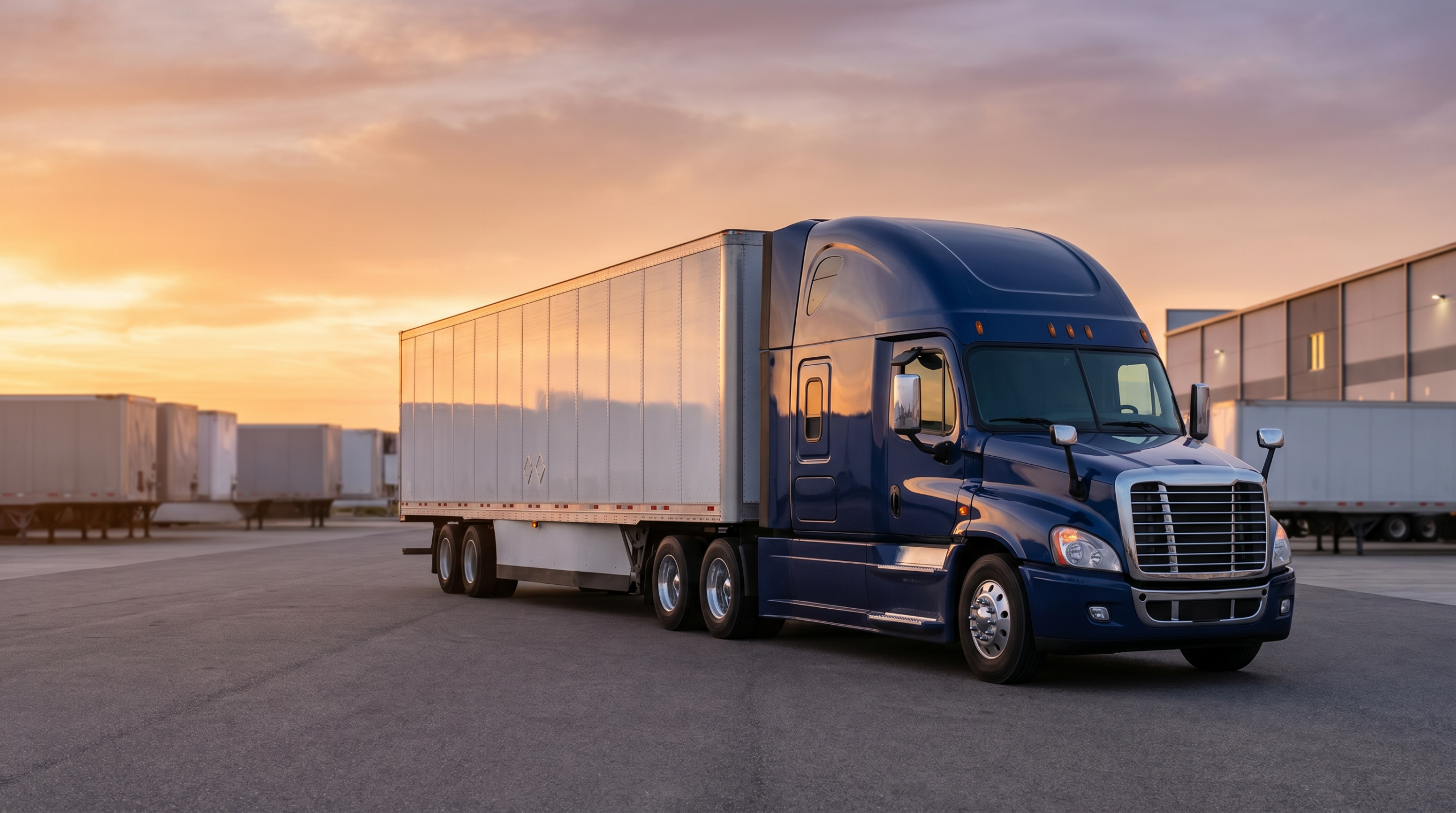
What We Finance
Equipment Categories
Trucking is one of the most established categories in equipment finance. Lenders have well-developed underwriting models for commercial vehicles, mature valuation tools for used trucks, and financing structures designed around the operating economics of carriers.
Through our lender network, we arrange financing for both new and used commercial vehicles. Lender appetite for used equipment varies based on age, mileage, and condition.
Typical Financing Structures
How Financing Is Commonly Arranged
Most trucking financing is structured as either an Equipment Finance Agreement (EFA) or a $1 Buyout Lease — both of which transfer ownership of the equipment to the business at the end of the term.
Terms typically range from 36 to 72 months, with 60-month financing being the most common for Class 8 tractors and 48-month financing common for trailers and lighter vehicles.
Equipment cost range for our typical trucking transactions is $30,000 to $250,000 per unit. Multi-unit transactions and specialty equipment can fall above or below this range.
Down payment requirements vary by lender, equipment age, and business profile. Some programs require none; others request 10–20 percent down on used or older equipment.
Decision timing is typically 1–3 business days. Funding usually follows within 5–10 business days once documentation is complete.
Operating leases and FMV leases are also available through some lenders, particularly for fleet operators that prefer end-of-term flexibility or off-balance-sheet treatment.
Segments We Serve
Operators We Work With
- Long-haul carriers — owner-operators and small fleets running interstate routes
- Regional and short-haul carriers — businesses operating within a defined geographic territory
- Refrigerated transport — carriers hauling food, pharmaceuticals, or other temperature-controlled freight
- Last-mile delivery — businesses operating box trucks, step vans, or sprinter vans for final-mile distribution
- Specialty transport — auto haulers, oversized freight, hazmat-certified operations
- Construction and vocational — dump truck operators, mixer fleets, and contractor-owned vehicles
- Dedicated and contract carriers — businesses operating under long-term contracts with shippers
Application Process
From Inquiry to Funding
Lender Match
We match your application to the lender most likely to approve it based on equipment, profile, and structure.
Decision
The lender reviews and issues a decision, typically within 1–3 business days.
Documentation typically requested:
- 3–6 months of business bank statements
- A copy of the equipment quote, build sheet, or invoice
- CDL (for owner-operators)
- DOT/MC number and authority documentation (for carriers)
- Equipment inspection or condition report (for used equipment)
Apply for Equipment Financing
The first step is a short application. There is no commitment to accept any offer, and submitting an inquiry does not constitute a credit application with any specific lender.
Apply for Financing